
“With the blessing of our saint and support from our community, we aim to make the world a better place for everyone regardless of their gender or religion.”
The fluidity of religious practices has always been a distinctive feature of Hindu society. Even in the pre – 1947 Sindh region, various religious practices were respected and followed. Sindh’s version of Hinduism is an outcome of the 3 predominant influences, Hinduism, Sikhism and Sufism.
"A large majority of Sindhi Hindus were Nanakpanthis – followers of Guru Nanak Saheb"
A majority of Hindus in Sindh were Murids (followers) of the Sufi Pirs (Saints) who had played a very important role in Sindh. Sindh – has been a land of Sufis and Saints. Sindhi’s are Sufi by nature.
A Sufi is someone who believes that a connection can be established with God or the Spirits through Thoughts & Meditation. They life a Maula life – which means serve the people selflessly. One well known Sufi practice is their meditative mystical dance. Dance is a traditional form of Sufi worship, a continuous twirling with one hand pointed upward reaching for the Divine and the other hand pointed toward the ground.
Sufism, also known as Tasawwuf in Arabic, emphasizes introspection and spiritual closeness with God. It emphasizes the inward search for God & shuns materialism. Sufism has influenced some of the world’s most beloved literature, like the love poems of the 13th century Iranian artist called Rumi.
Sufism emphasizes universal love, peace, acceptance of various spiritual paths and a mystical union with the divine. PS : Even today, Sindhi Hindus in post-Partition India have a strong legacy of Sufi thought despite the need to assert their credentials as ‘proper Hindus’.
Sufis believe that a Prayer by a Saint can alleviate poverty, cure illness, and amend relations with loved ones. It also has the power to provide solace from the trials of life. Away from the desires of the material world, Sufis believe that a connection with a Saint can build a connection with God.
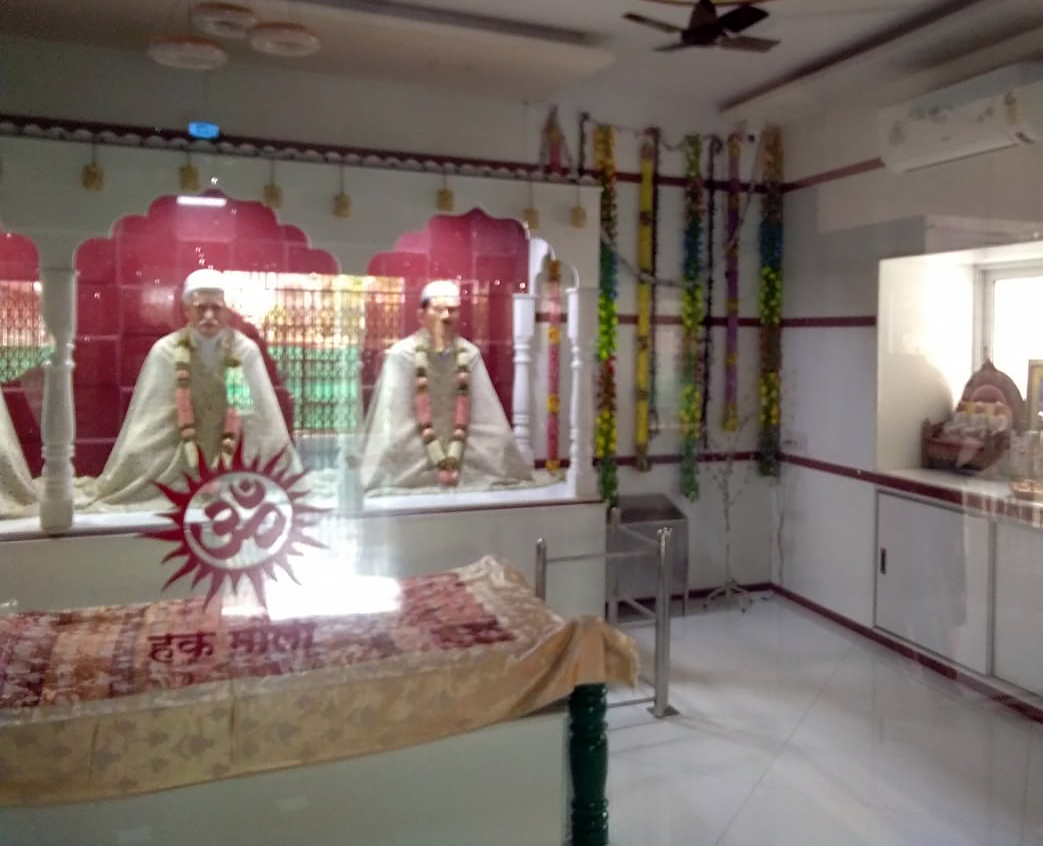
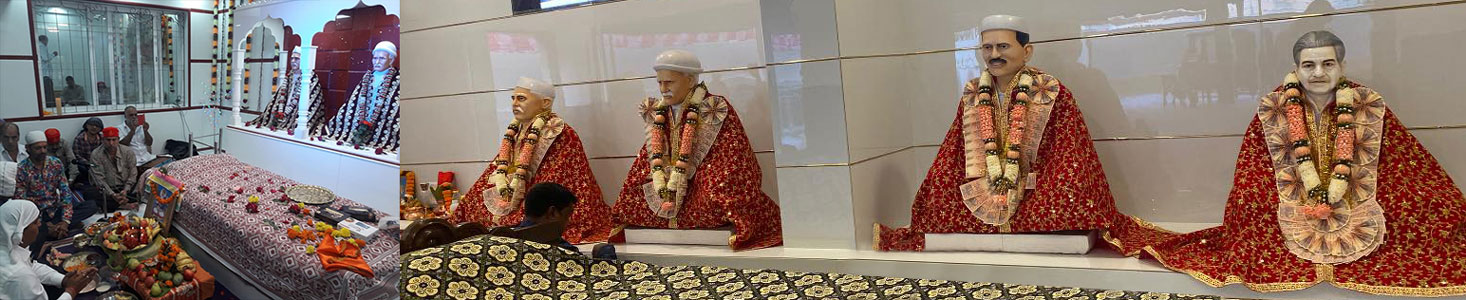
"Shrines have been built around the tombs of great saints"
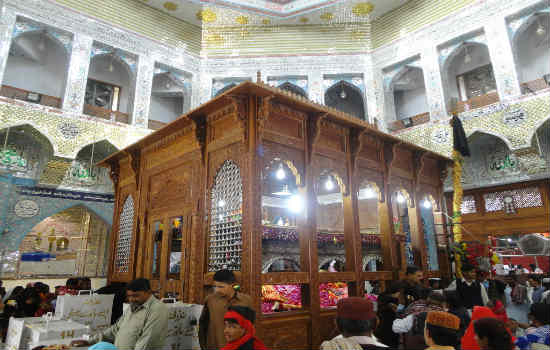
In general, every village has a shrine devoted to a local saint where annual festivals are held. Traditionally, shrines have been built around the tombs of great saints and have been the focal point of religious life and festivals. A typical shrine consists of a series of courtyards with the tomb of the saint at its center.
The tomb itself is often the site of religious activity. It is usually covered by flowers and surrounded with worshippers making offerings and seeking favors or miracles. Many worshippers touch the grills around the tomb while saying their prayers to feel connected to the divine presence, and some leave money as a donation.
Sufi festivals known as “urs” are held annually to mark the anniversaries of a saints’ deaths and their “marriage” to God.
These festivals attract thousands of pilgrims. Pilgrims arrive in specials buses, trains and trucks and are offered free meals during the festivities.
The festival usually lasts for over a day and contains various performances of singing and dancing. Food and entertainment is offered to everyone at the fairs (“mela”). The fairs are open to anyone, regardless of their religious beliefs.
"The festival boasts meditation, prayer sessions, singing and dancing performances"
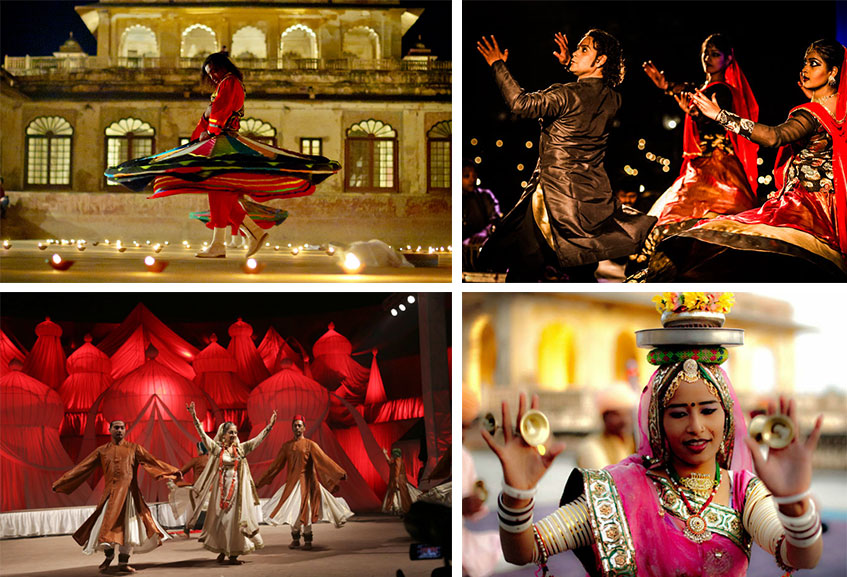
Mela refers to a fair or a festival. It is celebrated annually on Basant Panchmi day since 1948. It is celebrated to mark the anniversary of the saint’s death. It is a 3 day festival that welcomes people from all over the world, regardless of their religion or caste. The festival boasts meditation, prayer sessions, singing and dancing performances and a variety of food offered all day for everyone.
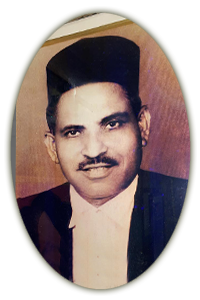
(has 5 sons, 5 daughters, had 2 wives Dadi Nimma & Amma Nai Bhai)
He was one of the saint’s faithful followers, who migrated from Sindh to Hindustan. He settled his family in Pune initially, later moved to Bombay and devoted his life to the service of the saints and the glory of God. Although his family was in Bombay, he stayed in Nasik for years at a time in the service of the saints.
He woke up every morning at 4:00am, washed clothes, swept, washed the temple, the toilets, cooked food, bathed the saints and pressed their feet. Due to his years of selfless service, devoted prayers and unwavering worship, he inherited powers from the saints. People from far and wide came to seek his blessings for all kinds of purposes. Young children wanted to receive his blessings to do well in life. Men and women came to seek his blessings for good luck before starting a new job or getting married. And when wonders occurred and their wishes were fulfilled, these people came back to thank Dada Jethanand and make offerings to the shrine.
Dada Jethanand never kept a penny for himself or his family. He did not believe in material possessions and dedicated himself to prayer, humility, preaching of the saint’s teachings, and service to the poor. There have been many instances where he has even given the shirt of his back to the needy.
Dada Jethanand passed away at the age of 82 on the 12th March, 1994 and the responsibilities of the shrine passed on to his sons and his family. Sufism is still a big part of the Sindhis even today.